




Transferring Universities in the USA – The Transfer Portal Explained
For many college athletes, transferring to a new university in the United States is an important step – whether for athletic development, better scholarship opportunities, or new academic options. The official pathway for this process is the so-called Transfer Portal. In this article, we explain how the portal works, why athletes transfer, and how you can navigate the process safely and successfully.
Why Do Athletes Transfer Universities?
The reasons for transferring in U.S. college sports are diverse and often strategically smart. The most common motivations include:
Athletic Reasons:
- Completion of a two-year junior college → transfer to a four-year university
- Positive athletic development → move to a higher division or a stronger university
- Injuries or slumps in performance
- More playing time in a different program
- Changes in the coaching staff that may affect your role on the team
Academic & Personal Reasons:
- Switching to a bachelor’s or master’s program that better fits your goals
- Desire for a new environment for personal growth
- Interest in experiencing a new state or region (e.g., East Coast → West Coast, mountains → ocean, small town → big city)
- Higher scholarship offers from other universities
A transfer is not a step backward – quite the opposite. For many athletes, it is the decisive move to take their athletic or academic career to the next level.
What Is the Transfer Portal?
The NCAA Transfer Portal is the official database in which college athletes register their intent to transfer. Only once you are listed in the Transfer Portal are other universities legally allowed to contact you or make scholarship offers.
It is the only compliant way to transfer within the NCAA system! Any other approach could violate regulations and lead to eligibility issues or suspensions. The portal also ensures fairness: universities cannot place athletes in the portal without their consent.
How Does the Transfer Process Work?
Here is the transfer process explained step by step:
1. Talk to Your Current Coaching Staff
This step is not mandatory, but recommended.
- Many athletes first discuss their decision to transfer with their coach.
- This creates transparency and avoids surprises or conflicts.
- Your coach can then plan accordingly and look for a replacement.
2. Official Registration Through the University
Important to know:
Nur die Universität selbst kann dich im Portal eintragen – nicht dein Coach und auch nicht du selbst. Das schützt dich davor, dass jemand dich gegen deinen Willen ins Portal setzt.
How does registration work?
- You notify your university’s compliance department in a short written message (an email is sufficient) that you intend to transfer.
- The university is then required to register you in the Transfer Portal within 48 hours.
3. Your Transfer Profile in the Portal
Once you are listed, coaches from across the country can view your profile. It includes:
- Name
- Contact information
- Sport and position/event
- Academic information
- Your previous university/universities
- Status (undergraduate, graduate, walk-on, etc.)
Important: No videos or statistics are linked directly in the portal. You send your highlight video and athletic data directly to interested coaches. So make sure your video is up to date and includes footage from your most recent college seasons.
4. Contact With Coaches
Once you are in the portal
- Coaches are legally allowed to contact you
- You can proactively reach out to universities
- You can negotiate with multiple colleges simultaneously
The discussions are similar to the recruiting process ahead of your freshman year. Coaches evaluate:
- Your athletic development
- Your academic situation
- Your eligibility (remaining years of competition)
- Your reasons for transferring
- How well you fit into their team
- The amount of scholarship they can offer
Once you decide on a university, you sign the scholarship agreement.
5. Academic Review & Visa Process
At the same time, your new university will review:
- How many of your earned credits can be transferred
- Whether you meet all academic requirements
- Visa-related steps (new I-20, SEVIS transfer, etc.)
After everything ihas been approved, nothing stands in the way of your transfer.
What Are the Risks of Transferring?
Despite all the advantages, there is some residual risk:
- It is possible that you do not reach an agreement with a new university after entering the portal.
- Your former team may have already filled your roster spot with another athlete so returning there may not be possible.
That’s why preparation is crucial: keep your highlight video updated, have your stats ready, organize all documents, and contact coaches strategically.
How Scholarbook Supports You During the Transfer Process
Don’t worry – you don’t have to go through the transfer process alone. Just as with your initial placement, we support you with:
- Updating your highlight video
- Preparing all important documents (transcripts, credit evaluations, visa paperwork)
- Communication and negotiations with coaches
- Developing a strategy to identify the right universities
- Minimizing the risk of ending up without a new team
With our experience from thousands of successful placements, we ensure that your transfer runs smoothly and that you receive the best possible offer.
Transferring through the Transfer Portal offers tremendous opportunities: more playing time, better scholarships, more modern facilities, or a new academic program. The system is clearly structured and fair, as long as you understand the steps and are well prepared.
With the right strategy and support from our experts, your transfer can become a successful next chapter in your college career.
Transfer Success Stories
How much athletes can benefit from transferring within the U.S. and which new doors can open as a result is well illustrated by these two examples:
Tobias Gerber
Northeast Community College | NJCAA → University of California, Santa Barbara | NCAA Division 1
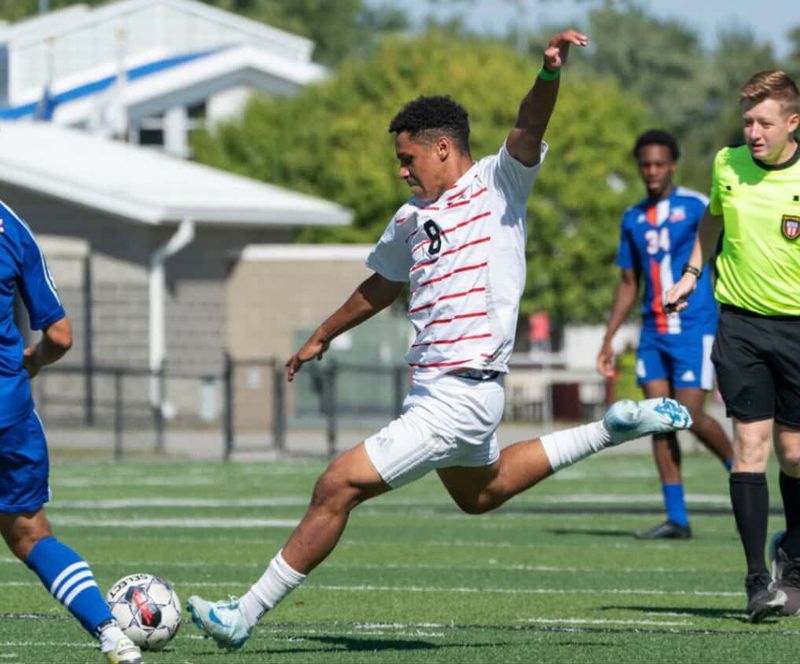
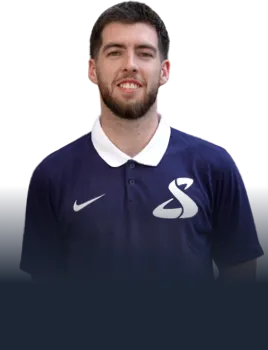
Tobias Gerber, a central midfielder, played in Germany for 1. FC Nürnberg’s U17 Bundesliga team and later for SV Weiden in the senior Oberliga before making the move to the U.S. in 2024. He completed two successful seasons at Northeast Community College in Nebraska (NJCAA) and has recently committed to UCSB, an NCAA Division 1 school. He is joining the team in August 2026 on a full-ride scholarship worth $77,623.





%20(1).png)
